Call: 08045801335
 Send Inquiry
 Send Inquiry
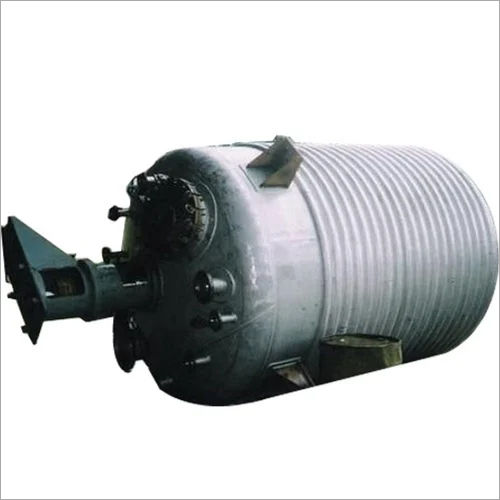
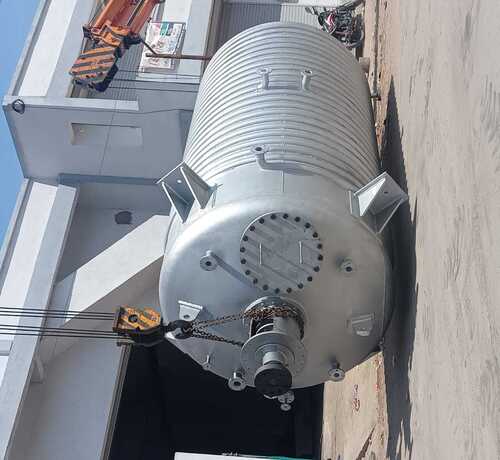
Commercial Chemical Reactor
Price 250000 INR/ Unit
MOQ : 1 Unit
Commercial Chemical Reactor Specification
- Type
- Commercial Chemical Reactor
- Application
- Chemical processing, reaction, blending, mixing in industries such as pharmaceuticals, food, petrochemical, and specialty chemicals
- Material
- Stainless Steel
- Capacity
- Customizable (from hundreds to thousands of liters)
- Weight
- Varies as per design
- Dimension (L*W*H)
- Depends on capacity and design
- Condition
- New
- Corrosion Resistance
- Yes (high-grade stainless steel used)
- Jacketed
- Yes (for heating/cooling media circulation)
- Agitator Type
- Customizable as per process requirements
- Sampling Port
- Provided
- Automation Grade
- Manual, Semi-Automatic, or Fully Automatic
- Finish Type
- Polished
- Nozzle Configuration
- Multiple inlets/outlets for process integration
- Temperature Range
- -20C to 300C (material dependent)
- Power Source
- Electric
- Mounting Type
- Skid-mounted for ease of installation
- Orientation
- Horizontal
- Manhole/Access Port
- Available for maintenance and cleaning
- Compliance Standard
- ASME, ISO, or as required by client
- Pressure Rating
- Designed for both atmospheric and high pressure applications
- Level Indicator
- Optional
Commercial Chemical Reactor Trade Information
- Minimum Order Quantity
- 1 Unit
- Payment Terms
- Cash Advance (CA)
- Supply Ability
- 10 Units Per Month
- Delivery Time
- 30 Days
- Main Domestic Market
- All India
About Commercial Chemical Reactor
A particular kind of vessel used in the chemical industry for the mass manufacturing of diverse chemical compounds is called a commercial chemical reactor. It offers a regulated setting for chemical processes to take place, allowing raw materials to be converted into desired end products. These reactors have agitation systems, heat transfer surfaces, temperature and pressure control systems, and safety precautions built into their design. For them to withstand the extreme conditions of chemical processes, materials like stainless steel or other corrosion-resistant alloys are often used in their construction. Commercial chemical reactors are essential for efficient manufacturing, assuring product quality, and upholding safety regulations in sectors like petrochemicals, pharmaceuticals, polymers, and speciality chemicals.
Other Details:
|
Tensile Strength |
80 MPa |
|
Max Pressure |
120 Psi |
|
Frequency |
50 Hz |
|
Capacity |
4000 Litre |
|
Body Material |
Mild Steel |
|
Automation Grade |
Semi Automatic |
|
Flow Rate |
>4000 m3/hr |
|
Usage/Application |
Chemical Industry |
Advanced Process Flexibility
Designed to support a wide temperature range and withstand both atmospheric and high-pressure conditions, this reactor accommodates a variety of industrial processes. With customizable agitator types and multiple nozzle configurations, it offers seamless integration into new or existing production lines, suited to diverse chemical, pharmaceutical, or food processing requirements.
Superior Build and Compliance
Manufactured from high-grade stainless steel, the reactor offers excellent corrosion resistance and durability. It's polished for easy maintenance and hygiene, especially in sensitive industries. Compliance with ASME and ISO standards ensures safety, reliability, and global acceptance, making it a smart choice for demanding industrial environments.
User-Focused Design
Ease of maintenance and operation is prioritized through features like a manhole/access port, sampling port, and an optional level indicator. The skid-mounted structure facilitates straightforward installation, relocation, and process scalability. Automation options range from manual to fully automatic controls to match your operational needs, ensuring efficient workflow management.
FAQ's of Commercial Chemical Reactor:
Q: How is the commercial chemical reactor installed and integrated into existing facilities?
A: The reactor is skid-mounted, making it easy to transport and install. Its multiple nozzle configurations allow for seamless integration into your existing process lines, reducing setup time and enabling flexible connection for inlets, outlets, and auxiliary equipment.Q: What industries commonly use this chemical reactor, and what processes does it support?
A: This reactor is widely used in pharmaceuticals, food, petrochemical, and specialty chemical industries. Common applications include chemical reactions, blending, mixing, and process integration where precise temperature and pressure control are required.Q: When is it beneficial to use jacketed reactors, and what media can be circulated in the jacket?
A: Jacketed reactors are ideal when your process demands precise temperature control. The jacket allows heating or cooling media, such as steam, water, or thermal oil, to circulate around the vessel, helping maintain consistent reaction temperatures and improving product quality.Q: Where can I customize the reactor's features, such as capacity and agitator type?
A: You can specify customization requirements at the order stage. Both capacity (ranging from hundreds to thousands of liters) and agitator types can be tailored to suit your process. Our team works with you to ensure the reactor aligns with your workflow and output needs.Q: What are the benefits of the polished finish and stainless steel material?
A: The polished finish and stainless steel construction ensure excellent corrosion resistance and ease of cleaning. This is vital for industries where product purity and hygiene are essential, such as pharmaceuticals and food processing, resulting in longer equipment life and reduced maintenance downtime.Q: How does automation improve the operation of the reactor?
A: Automation options (manual, semi-automatic, fully automatic) allow you to match reactor control to your process complexity and manpower resources. Enhanced automation increases efficiency, consistency, and safety in operation, reducing manual intervention and process variability.Q: What process safety and compliance standards does the reactor meet?
A: Our reactors adhere to international standards such as ASME and ISO, or customized compliance as per client requirements. These certifications ensure that the equipment meets rigorous safety, reliability, and quality parameters essential for industrial chemical processing.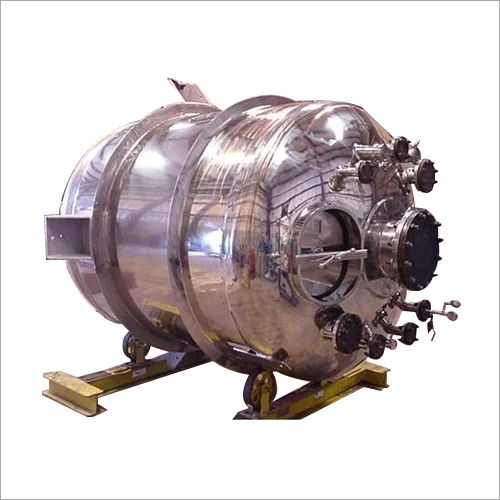
Tell us about your requirement

Price:
Quantity
Select Unit
- 50
- 100
- 200
- 250
- 500
- 1000+
Additional detail
Mobile number
Email

More Products in Chemical Reactor Category
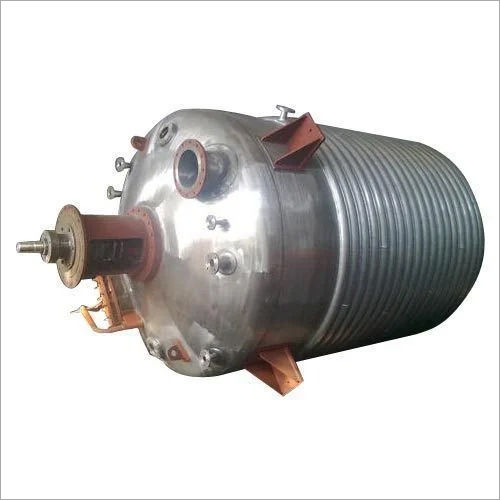
Limpet Coil Reactor
Price 600000 INR / Unit
Minimum Order Quantity : 1 Unit
Application : Chemical, Pharmaceutical, Food, Paint, Resin Manufacturing
Material : Stainless Steel
Type : Limpet Coil Reactor
Weight : Varies as per capacity and design
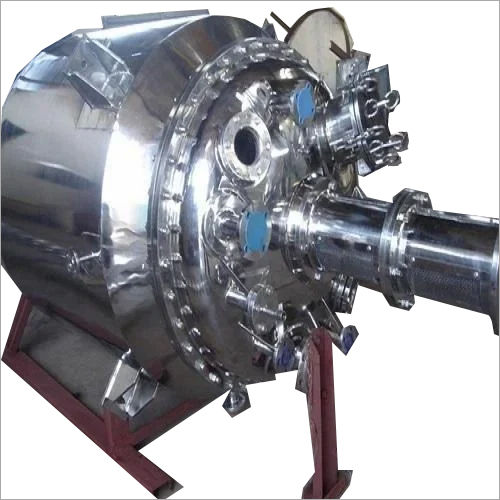
Stainless Steel Process Reactor
Price 420000 INR / Unit
Minimum Order Quantity : 1 Unit
Application : Chemical Processing, Pharmaceuticals, Food Industry, Petrochemicals
Material : Stainless Steel
Type : Process Reactor
Weight : Varies as per design and capacity

Contact Details
DEVJOGI ENGINEERING
GST : 24BCAPR2124K1ZT
- Plot No. 66, Nandanvan-2, Industrial Park, Near Matrubhumi Estate Bakrol Road, Bakrol,Ahmedabad - 382430, Gujarat, India
- Phone :08045801335
 Send Inquiry
Developed and Managed by Infocom Network Private Limited.
