Call: 08045801335
 Send Inquiry
 Send Inquiry
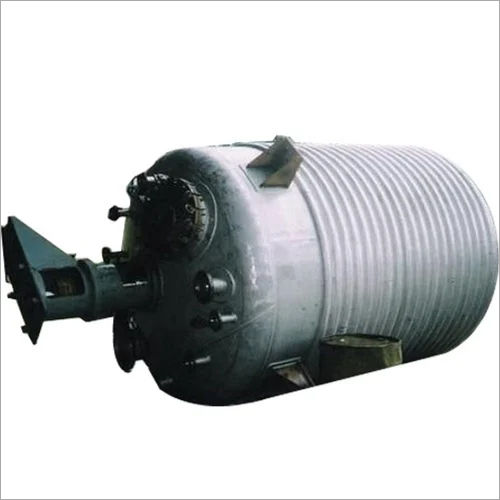
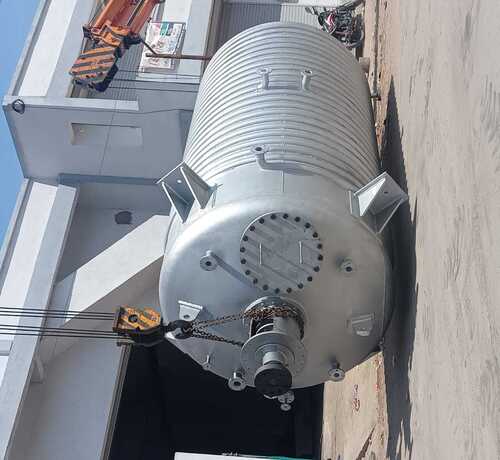
Stainless Steel Process Reactor
Price 420000 INR/ Unit
MOQ : 1 Unit
Stainless Steel Process Reactor Specification
- Type
- Process Reactor
- Application
- Chemical Processing, Pharmaceuticals, Food Industry, Petrochemicals
- Material
- Stainless Steel
- Capacity
- Customizable (Typically ranges from 50L to 10,000L)
- Weight
- Varies as per design and capacity
- Dimension (L*W*H)
- Custom/As per customer requirements
- Condition
- New
- Agitator Type
- Anchor, Turbine, or Customized (if required)
- Temperature Range
- -20C to 350C (Depending on process requirements)
- Automation Grade
- Manual, Semi-Automatic, or Fully Automatic
- Sealing Type
- Mechanical Seal or Gland Packing
- Pressure Rating
- Atmospheric to High Pressure (upto 20 bar or as specified)
- Nozzle Configuration
- Customizable as per customer specification
- Manhole/Inspection Port
- Provided
- Surface Finish
- Mirror/Polished
- Material Grade
- SS304 / SS316 / SS316L
- Jacketed
- Available (for heating or cooling)
- Motor Power
- Custom as per reactor size
- Internal Finish
- Electropolished/Smooth to prevent contamination
- Mounting Type
- Vertical/Horizontal
Stainless Steel Process Reactor Trade Information
- Minimum Order Quantity
- 1 Unit
- Payment Terms
- Cash Advance (CA)
- Supply Ability
- 10 Units Per Month
- Delivery Time
- 30 Days
- Main Domestic Market
- All India
About Stainless Steel Process Reactor
A type of vessel used in industrial processes for carrying out different chemical reactions and manufacturing operations is a stainless steel process reactor. It is specifically created and built using stainless steel as the main building material. Because of its superior corrosion resistance, mechanical strength, and durability, stainless steel is preferred for a variety of chemical applications.
Chemical manufacture, pharmaceuticals, petrochemicals, food processing, and other sectors use stainless steel process reactors. They can support a range of mixing, blending, heating, cooling, and reacting requirements and are built to manage varied process conditions, including high pressures and temperatures.
To ensure effective and secure operation, these reactors are furnished with features including agitators, temperature control systems, pressure relief valves, and safety precautions. The reactor can handle corrosive chemicals while maintaining product purity thanks to stainless steel's resistance to corrosion.
Overall, stainless steel process reactors offer a dependable and long-lasting option for large-scale chemical processes due to their superior performance, durability, and compatibility with a variety of chemicals and process conditions.
Product details
| Material of Construction | STAINLESS STEEL |
| Capacity | 3-4 KL |
| Material Grade | SS 316 |
| Max Pressure | 9-12 kg |
| Max Temperature | 200 C |
| Usage/Application | Industrial |
| Material | Stainless Steel |
Versatile Industrial Applications
This stainless steel process reactor is ideally suited for chemical processing, pharmaceuticals, food manufacturing, and petrochemical industries. Its adaptability to different pressure ranges, customizable capacity, and finish options make it a preferred solution for manufacturers and processors needing reliability and cleanliness. Modular options in agitator types, automation, and temperature control enable use across small laboratories and large-scale production plants alike.
Customization and Durability
Choose from a variety of material grades (SS304/SS316/SS316L), pressure ratings, and temperature ranges tailored to your process needs. The reactor's construction ensures durability under demanding conditions, while smooth electropolished or polished internals minimize contamination risk. With custom nozzle configurations, mounting types, and capacities (50L to 10,000L+), each reactor integrates seamlessly into new or existing setups.
FAQ's of Stainless Steel Process Reactor:
Q: How is the capacity of the stainless steel process reactor determined?
A: Capacity can be tailored from 50L to 10,000L or more, depending on the process requirements and customer specifications. Our engineering team consults with clients to ensure optimum sizing for efficiency and throughput.Q: What industries benefit most from using this process reactor?
A: Industries such as chemical processing, pharmaceuticals, food and beverage, and petrochemicals benefit greatly due to the reactor's hygienic surface finish, robust construction, and ability to handle various pressures and temperatures.Q: What types of agitators can be installed in the reactor?
A: The reactor supports anchor, turbine, or entirely customized agitator designs, chosen based on viscosity, mixing requirements, and process specifications to ensure uniform blending and reaction rate.Q: Where can the process reactor be mounted, and what are the options?
A: Our process reactors can be mounted either vertically or horizontally, allowing integration into different facility layouts. The selection depends on available floor space and process flow requirements.Q: How does the reactor's surface finish contribute to the process?
A: The mirror or electropolished internal finish prevents material build-up and cross-contamination, making cleaning easier and ensuring product purity-vital for pharmaceuticals and food industries.Q: What is the typical process for ordering a customized reactor?
A: Clients provide process parameters such as capacity, pressure, temperature, nozzle configuration, and finish. Our team then designs, fabricates, and delivers the reactor to meet those detailed specifications.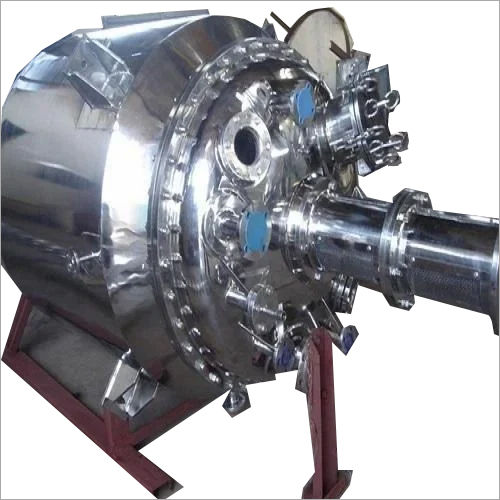
Tell us about your requirement

Price:
Quantity
Select Unit
- 50
- 100
- 200
- 250
- 500
- 1000+
Additional detail
Mobile number
Email

More Products in Chemical Reactor Category
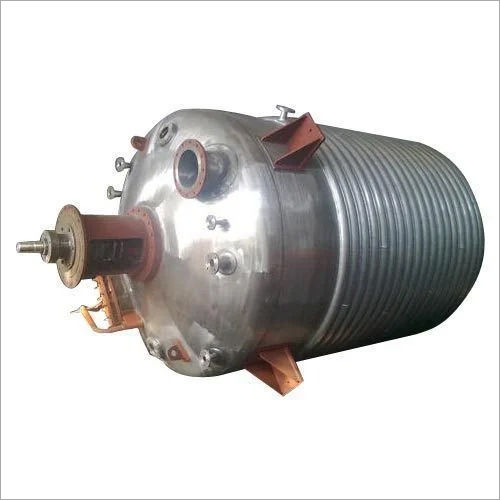
Limpet Coil Reactor
Price 600000 INR / Unit
Minimum Order Quantity : 1 Unit
Condition : New
Dimension (L*W*H) : As per order specifications
Material : Stainless Steel
Type : Limpet Coil Reactor
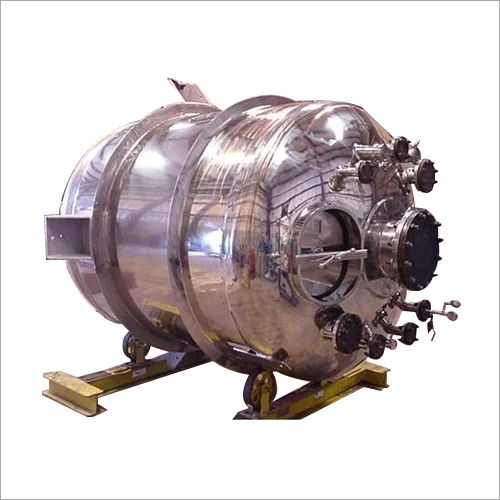
Commercial Chemical Reactor
Price 250000 INR / Unit
Minimum Order Quantity : 1 Unit
Condition : New
Dimension (L*W*H) : Depends on capacity and design
Material : Stainless Steel
Type : Commercial Chemical Reactor

Contact Details
DEVJOGI ENGINEERING
GST : 24BCAPR2124K1ZT
- Plot No. 66, Nandanvan-2, Industrial Park, Near Matrubhumi Estate Bakrol Road, Bakrol,Ahmedabad - 382430, Gujarat, India
- Phone :08045801335
 Send Inquiry
Developed and Managed by Infocom Network Private Limited.
